Cuisines by region
Seven region guides, each with its flavor base, staple starches, key spices and a handful of signature dishes described in general terms. The colored dots on each card are that region's spices from the drawer further down.
East Asia
China, Japan, Korea, Taiwan, Mongolia
Rice and wheat, soy and fermented pastes, steaming and stir-frying, and close attention to texture.
South Asia
India, Pakistan, Bangladesh, Sri Lanka, Nepal
Layered spice cooking, lentils and breads, rice and coconut in the south, and hundreds of regional traditions.
Southeast Asia
Thailand, Vietnam, Malaysia, Indonesia, the Philippines and neighbors
Fresh herbs, fish sauce, lime and chile, pounded pastes and a habit of balancing sweet, sour, salty and hot.
Middle East and North Africa
The Levant, Turkey, Iran, the Gulf, Egypt and the Maghreb
Mezze spreads, grilled meats, chickpeas and tahini, fragrant rice, slow tagines and spice blends that differ shop to shop.
Europe and the Mediterranean
Italy, Spain, Portugal, Greece, France and beyond
Olive oil in the south and butter in the north, slow-cooked flavor bases, bread, pasta and rice dishes with deep regional roots.
The Americas
Mexico, Central and South America, the Caribbean and the US South
Corn, beans, chiles and potatoes from Indigenous farming, layered with European, African and Asian influences.
Sub-Saharan Africa
West, East, Central and Southern Africa, Ethiopia and Eritrea
Peanut and palm oil stews, pounded starches, tomato and pepper rice, spiced butter and fermented flatbreads.
Spices and pantry
Every region
The full spice drawer, sauces and pastes worth keeping, and how to buy and store them.
The spice drawer
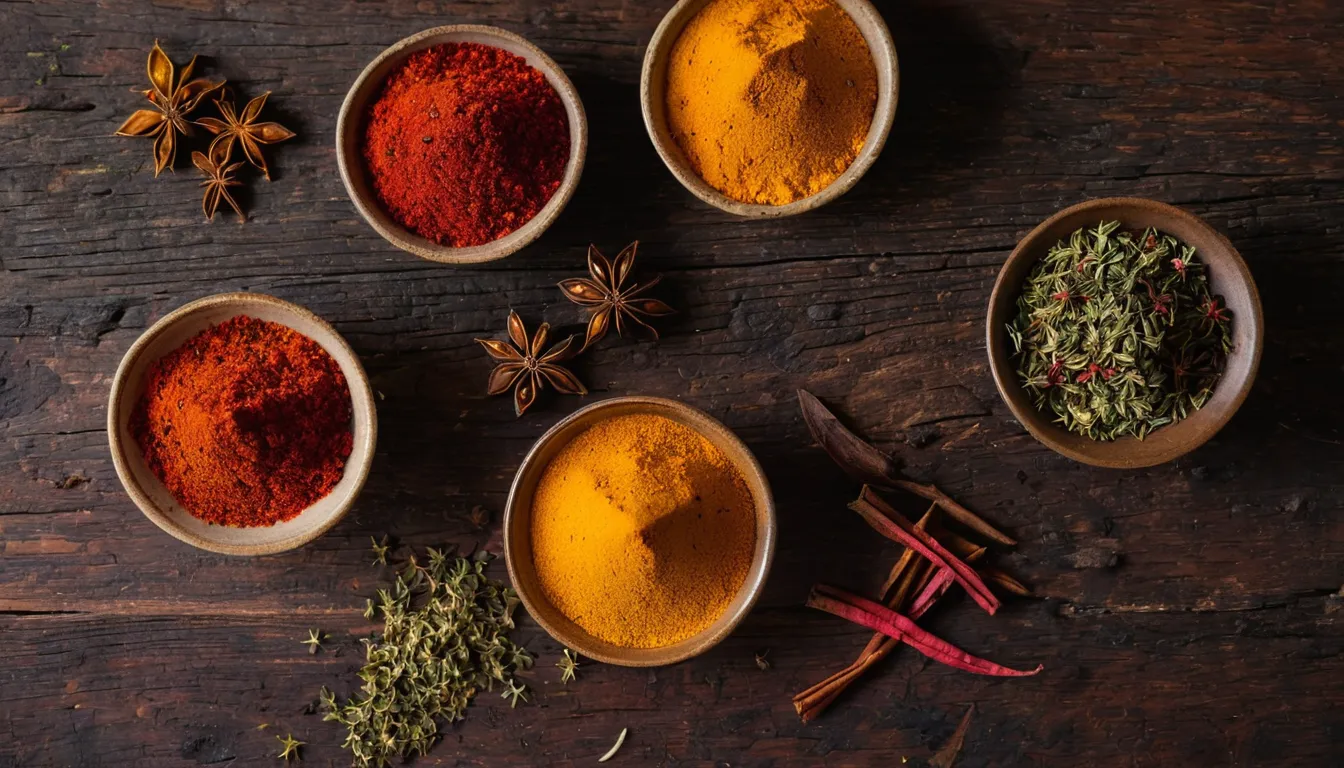
A short tour of spices that carry a lot of the world's cooking. Each tin is drawn from its real color and form, and the green chips show which region guides use it. The full drawer, with buying and storage advice, is on the spices and pantry page.
Where to start
If you are new to cooking food from other places, read cooking world dishes at home first. It covers the habits that matter most: building the flavor base before anything else, buying a few key ingredients instead of a shelf of jars, and learning a dish from cooks who grew up with it. Then pick one region and cook three or four dishes from it before moving on. You learn more from a month with one cuisine than from a single dish from each of ten.
If your cupboard is the problem, the spices and pantry page lists five things to buy first for each region and explains how to store spices so they keep their aroma.
How we write about food
Every dish here belongs to people and places with long histories, and most have more versions than any page could list. So we describe dishes in general terms: what goes in, how it is cooked and where it comes from. When a dish is shared by several countries, we say so and leave the arguments to the people who make it. We describe food in the words its own cooks use, and we do not rank cuisines or dishes.
We also keep numbers to a minimum. Spice heat, the age of a dish and who cooked it first are all things sources disagree on, so we describe what we can say with confidence and leave out the rest.
Common questions
Is this a recipe site?
Not really. We explain how cuisines work, what their signature dishes are and how to approach cooking them. For exact recipes, we suggest cookbooks and videos by cooks from that cuisine, who know the details and the family variations.
Why group countries into regions?
Regions are a starting point. Neighbors often share ingredients and methods, so grouping them helps you see patterns. Every country, and every province within it, has its own cooking, and each region page points out some of those differences.
Do I need special equipment?
Very little. A heavy pan, a pot with a lid, a sharp knife and a way to grind spices cover most of what these pages describe. The cooking at home page explains when a wok, a mortar and pestle or a steamer is worth having.
Do you sell spices or ingredients?
No. World Crave is an independent guide. We do not sell anything, we carry no partner links and we do not recommend brands.